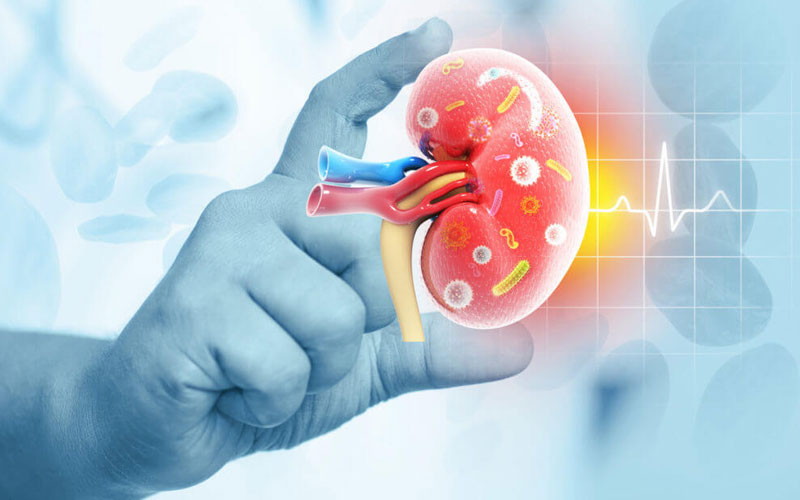
Glomerular Disease refers to conditions that damage the glomeruli, which are tiny filtering units inside the kidneys responsible for removing waste and excess fluids from the blood. When these filters become inflamed or damaged, the kidneys may not function properly, leading to fluid retention, protein leakage, and other health complications. Early diagnosis and proper treatment are important to protect kidney function and overall health.
Diagnosis of Glomerular Disease may involve blood tests, urine analysis, kidney imaging, and sometimes a kidney biopsy to identify the exact cause of the condition. Treatment depends on the severity and type of disease and may include medications to control blood pressure, reduce inflammation, and manage symptoms. Maintaining a healthy diet, limiting salt intake, and regular medical monitoring are also important parts of long-term kidney care.