Acute Kidney Injury (AKI) is a sudden loss of kidney function that happens within a few hours or days. It causes waste products and excess fluids to build up in the body, making it difficult for the kidneys to maintain proper balance. AKI can occur due to severe dehydration, infections, low blood pressure, medications, or reduced blood flow to the kidneys. Early diagnosis and timely treatment are important to prevent serious complications.
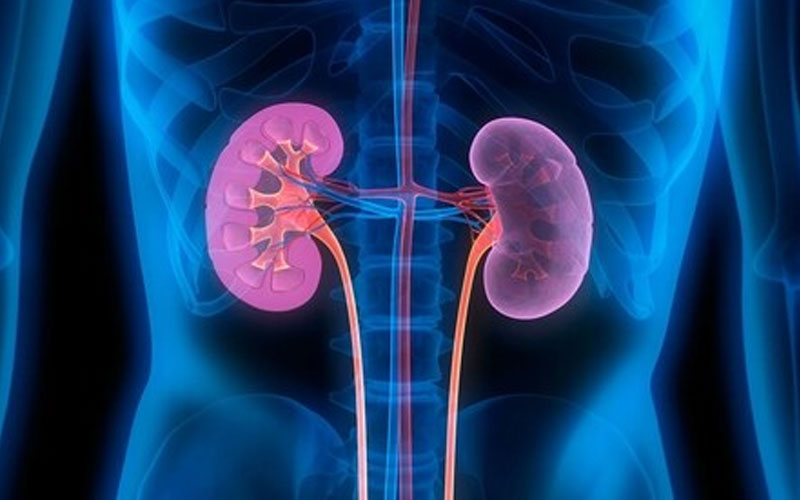
Acute Kidney Injury may develop quickly and often requires immediate medical attention. Patients may experience reduced urine output, swelling, fatigue, confusion, nausea, or shortness of breath. Conditions such as severe infections, heart problems, and certain medicines can increase the risk of AKI.
Treatment of Acute Kidney Injury depends on the underlying cause and severity of the condition. Doctors may recommend intravenous fluids, medications, stopping harmful drugs, or treating infections and blood pressure problems. Maintaining proper hydration, avoiding unnecessary medicines, and regular health check-ups can help reduce the risk of kidney injury.